
Mulch Installation in Frankford, DE That Protects Your Beds All Season
Fresh mulch does far more than make planting beds look finished. Indian River Lawns and Landscapes provides mulch installation in Frankford, DE, along with Georgetown and Lewes, helping homeowners and property managers hold moisture in sandy soil, suppress weeds, and protect plant roots through hot coastal summers and cold winter snaps. Our mulch installation service covers bed cleanup, edging, and proper spreading depth, so the finished result performs as well as it looks. Every bed is prepared individually, with attention to the plants it holds and the conditions it faces.
Book Your Mulch Installation in Frankford, DE Today
What Our Mulch Installation Service Includes
A quality mulch installation starts with preparation. Spreading new material over weeds and compacted old mulch shortens its lifespan and can create problems for the plants underneath.
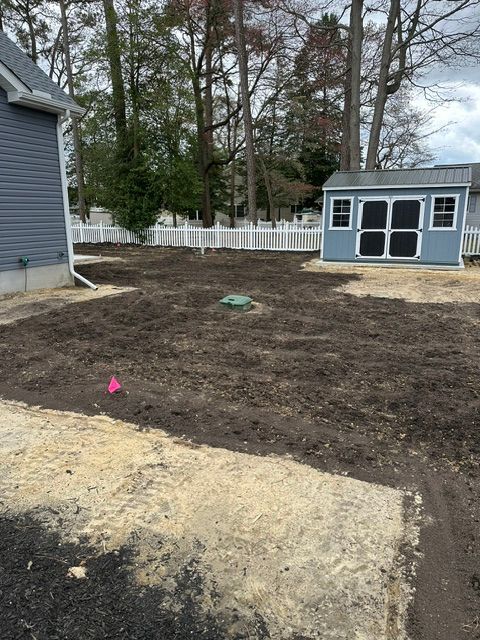
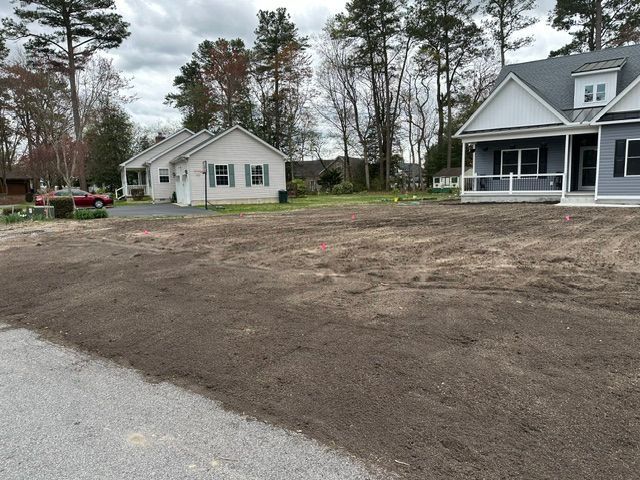
Bed Cleanup and Weed Removal
Before any mulch goes down, we remove weeds, leaf debris, and fallen branches from each bed. Pulling weeds by the root at this stage keeps them from pushing through the new layer within weeks of the mulch installation.
Bed Edging
Crisp Borders Between Lawn and Beds
We cut or refresh a clean edge along each bed line. A defined edge keeps mulch from washing into the lawn during heavy rain and stops turfgrass from creeping into planting areas. It also gives the property a sharp, finished appearance.
Evaluating Existing Mulch
Removing Buildup When Needed
Years of repeated mulch installation without removal can leave layers several inches thick. Excess buildup can smother roots and hold too much moisture against stems. We assess existing depth and thin or remove old material when it exceeds a healthy level.
Spreading at the Correct Depth
Even Coverage Across Every Bed
New mulch is spread evenly at a depth suited to the bed, typically two to three inches. Material is kept pulled back from tree trunks, shrub stems, and the home's foundation to prevent rot and discourage insects.
Mulch Types for Sussex County Landscapes
Choosing the right material is a key part of any mulch installation. Each option looks and performs differently in southern Delaware's sandy soil and humid climate.
Shredded Hardwood Mulch
A Long-Lasting, Natural Look
Shredded hardwood knits together as it settles, which helps it stay in place on slopes and during summer storms. It breaks down gradually, adding organic matter to sandy soil over time.
Dyed Mulch
Black, Brown, and Red Color Options
Dyed mulch holds its color longer than natural hardwood and offers strong contrast against green foliage and lawn. Black and dark brown are popular choices for homes in Frankford and Lewes seeking a clean, modern look.
Pine Bark Mulch
Lighter Texture for Acid-Loving Plants
Pine bark suits azaleas, hollies, and other acid-loving shrubs common in coastal Delaware landscapes. Larger nuggets resist breaking down but can float in heavy rain, so placement matters.
Pine Straw
A Coastal Favorite for Slopes and Natural Areas
Pine straw interlocks to resist washing away, making it useful on slopes and in wooded beds. It works well in more natural landscape settings around Georgetown and inland properties.
Schedule Mulch Installation for Your Georgetown or Lewes Property
Why Proper Depth and Placement Matter
How mulch is applied matters as much as which material is chosen. Poor mulch installation habits are among the most common causes of shrub and tree decline in residential landscapes.
Avoiding Volcano Mulching
Mulch piled high against tree trunks traps moisture against the bark, inviting rot, disease, and rodents. A proper mulch installation leaves a small gap around the base of each tree, with mulch spread outward in a wide, flat ring.
Keeping Mulch Off the Foundation
Mulch pressed against siding or the foundation holds moisture and can attract termites and carpenter ants. We keep a buffer between the mulch line and the structure.
Moisture Retention in Sandy Soil
Sandy soils across eastern Sussex County drain quickly and dry out fast during summer. A correctly applied layer slows evaporation, keeps root zones cooler, and reduces how often beds need watering.
When to Schedule Mulch Installation in Southern Delaware
Timing affects how well mulch performs through the year.
Spring Mulch Installation
Preparing Beds for the Growing Season
Mid to late spring is the most popular time for mulch installation in Frankford and the surrounding area. Applying mulch after the soil warms helps suppress early weeds and locks in spring moisture before summer heat arrives.
Fall Mulch Installation
Insulating Roots for Winter
A fall application protects roots from freeze-thaw cycles and gives beds a tidy appearance through winter. It is especially helpful for newly planted shrubs and perennials going into their first cold season.
Annual Refresh
Topping Off Faded or Thin Beds
Most beds benefit from a light top-dressing each year rather than a full replacement. This keeps color fresh and depth consistent without excessive buildup.
Mulch Installation for Residential and Commercial Properties
Homes and Private Residences
Residential mulch installation covers foundation beds, island beds, tree rings, and garden areas, finished with edging for a clean result.
Commercial and HOA Properties
Large-Scale Coverage
Businesses, HOA common areas, and multi-unit properties throughout Sussex County rely on consistent mulch installation to keep entrances and grounds presentable. Larger projects are scheduled to minimize disruption to residents, customers, and traffic.
Frequently Asked Questions About Mulch Installation in Frankford, DE
How deep should mulch be installed?
Mulch should be installed two to three inches deep in most planting beds. Less than two inches does little to suppress weeds, while more than three or four inches can smother roots and hold excess moisture against plants.
How often should mulch be replaced?
Most landscapes need a fresh top layer once a year. Full removal and replacement is only needed when old mulch has built up too thick, become matted, or developed mold or fungus problems.
What is the best time of year for mulch installation in Delaware?
Mid to late spring is the most common time for mulch installation in Delaware because it suppresses early weeds and retains moisture before summer. Fall is also a good time to insulate roots before winter.
Should old mulch be removed before adding new mulch?
Old mulch does not always need to be removed. If the existing layer is thin and in good condition, new mulch can be added on top. If buildup exceeds three or four inches, the excess should be removed first.
What type of mulch is best for sandy soil?
Shredded hardwood mulch is a strong choice for sandy soil because it breaks down gradually and adds organic matter that improves moisture retention. Pine bark and pine straw also work well, especially around acid-loving plants.
Does mulch attract termites?
Mulch does not attract termites on its own, but mulch piled against the home's foundation can create moist conditions that insects favor. Keeping a gap between mulch and the structure reduces this risk.
Is dyed mulch safe for plants?
Most commercially available dyed mulch uses iron oxide or carbon-based colorants that are considered safe for landscape plants. Choosing mulch made from clean, untreated wood is the best practice.
How much mulch do I need for my yard?
One cubic yard of mulch covers roughly 100 to 160 square feet at two to three inches deep. A professional mulch installation includes measuring each bed to determine the correct quantity.
Should I use landscape fabric under mulch?
Landscape fabric is not always necessary under organic mulch. Over time, mulch breaks down on top of fabric and weeds root into it anyway. Fabric is better suited to rock and gravel areas than to planted beds.
Does mulch installation include edging?
Mulch installation from Indian River Lawns and Landscapes includes bed edging to create a clean border between the lawn and planting areas and to help keep mulch in place.
Can mulch help reduce watering?
Yes. Mulch slows evaporation from the soil surface and keeps root zones cooler, which reduces how often beds need watering. This is especially useful in the fast-draining sandy soils common in Sussex County.
Do you offer mulch installation in Georgetown and Lewes, DE?
Indian River Lawns and Landscapes provides mulch installation in Frankford, Georgetown, and Lewes, DE, as well as nearby communities throughout Sussex County.
Contact Indian River Lawns and Landscapes for Mulch Installation in Frankford, DE